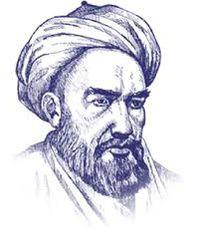
خواجه نصیرالدین ابوجعفر محمد بن محمد بن حسن طوسی ·
Khwaja Nasir al-Din Tusi
Biography
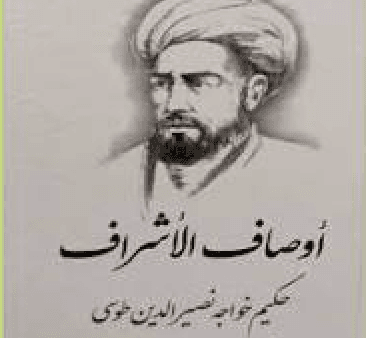
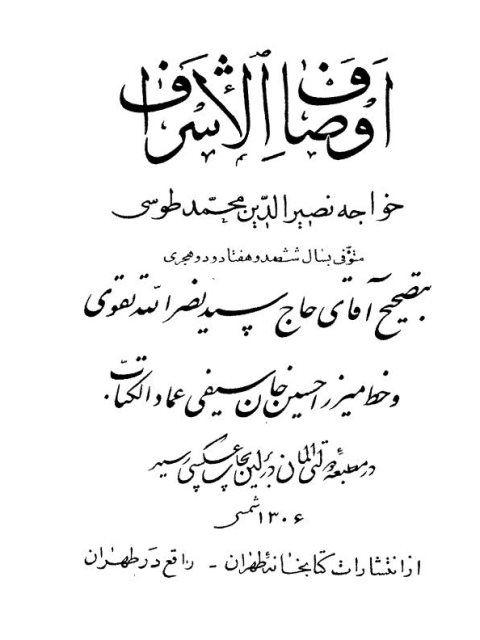
Nasir al-Din Tusi (1201–1274), full name Abū Jaʿfar Muḥammad ibn Muḥammad ibn al-Ḥasan al-Ṭūsī, was one of the most important Muslim polymaths of the thirteenth century. He was a prominent Persian Muslim polymath, philosopher, theologian, mathematician, and astronomer whose writings profoundly influenced Islamic intellectual history. Born in Ṭūs, he produced major works in ethics, philosophy, theology, logic, mathematics, and astronomy and later played a central role in establishing the Maragha Observatory under the Ilkhanids. His influential writings include Akhlaq-i Nasiri, Awṣāf al-Ashrāf, Tajrīd al-Iʿtiqād, Asās al-Iqtibās, and Zīj-i Īlkhānī. His scholarship became especially significant in later Islamic philosophy, Shia theology, ethics, and the mathematical sciences.